
Minnesota Winter Roof Damage: Snow, Ice & What to Watch For
What homeowners in the west metro should know
Minnesota winters are tough on houses. Between heavy snow, deep freezes, and those mid-winter warmups that melt everything just enough to refreeze overnight, your roof goes through a lot in a few short months.
Most of the time, it holds up just fine. But winter weather can create small problems that turn into bigger ones once spring thaw hits.
Here’s what’s actually happening on your roof during a Minnesota winter and what you should keep an eye on.
Heavy Snow Puts Stress on Your Roof

Fresh powder looks harmless, but once snow packs down or turns wet, it gets heavy fast. Ice adds even more weight.
Most modern roofs are designed to handle normal snow loads. The bigger concern usually is repeated snowfalls without melting in between. When layer after layer builds up, the weight increases.
Wind can also create uneven drifting. One section of the roof may carry much more snow than another. Over time, that uneven pressure can contribute to:
Subtle sagging
Interior ceiling cracks
Structural strain
Faster wear on older roofs
Catastrophic collapses are rare in residential homes, but gradual damage from repeated winters is very real.
Ice Dams Are One of the Most Common Winter Issues

If you see large icicles hanging from your gutters, that is often a sign of ice dam formation.
Ice dams happen when:
Heat escapes from the attic and warms the upper roof
Snow melts and runs downward
Meltwater refreezes near the colder eaves
Ice builds up and traps water behind it
When that trapped water backs up under shingles, leaks can follow.
Often the first sign is inside your home, not outside. You might notice:
Water stains on ceilings
Peeling paint along exterior walls
Damp insulation in the attic
Poor attic ventilation and insulation are common contributors. Even a newer roof can develop ice dams if heat loss is uneven.
Freeze–Thaw Cycles Slowly Wear Materials Down
Minnesota winters rarely stay at one steady temperature. We go above and below freezing constantly.
When water works its way into small cracks in shingles or flashing and then freezes, it expands. Over time, repeated freeze–thaw cycles can:
Crack shingles
Loosen flashing
Break down sealants
Speed up normal aging
This does not mean every roof will fail after one winter. But if your roof is already 10–15 years old or has minor wear, winter can accelerate those weak spots.
Gutters and Drainage Matter More Than You Think
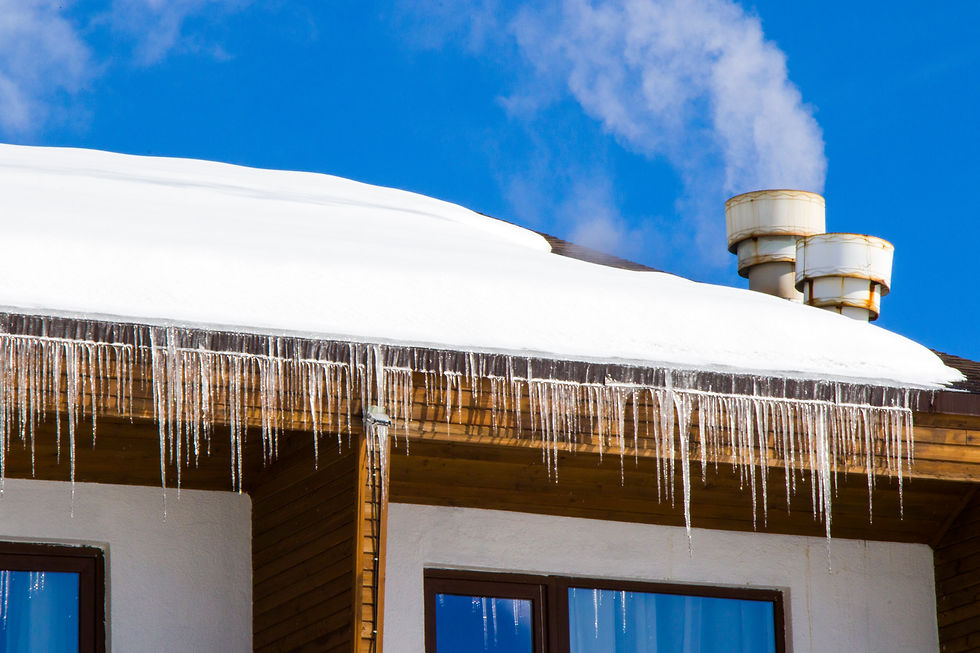
When gutters fill with ice, they become heavy. That weight can pull them away from the fascia and interfere with drainage.
If meltwater cannot properly move through downspouts, it increases the likelihood of ice dams and can allow water to pool near your foundation during spring thaw.
Roof systems work together. Shingles, ventilation, flashing, insulation, and gutters all play a role.
Signs Your Roof May Have Winter Damage
After a long winter, it is worth checking for:
Water stains on ceilings or walls
Dripping or damp spots in the attic
Missing, curling, or cracked shingles
Excess granules collecting in gutters
Sagging areas along the roofline
Gutters pulling away from the house
If you notice any of these, it is smart to have a professional take a look before spring rains arrive.
Serving the West Metro and Surrounding Communities
1st Call Construction & Exteriors is based in Cologne and works throughout the west metro and nearby communities, including:
Chaska
Minnetonka
Waconia
Edina
Eden Prairie
Wayzata
Chanhassen
Carver
If your home experienced heavy snow or persistent ice buildup this winter, a roof inspection can provide clarity and peace of mind.
Sometimes everything checks out. Other times, catching a small issue now prevents a much larger repair later.
If you would like your roof looked at before spring weather rolls in, reach out to schedule an inspection.


Comments